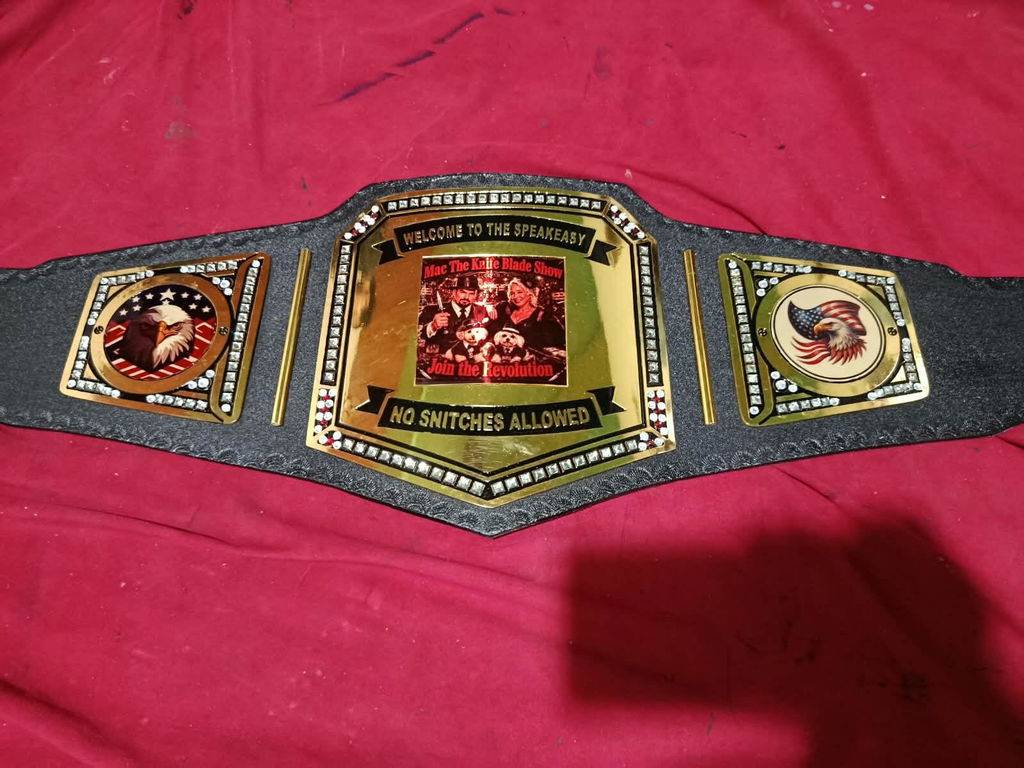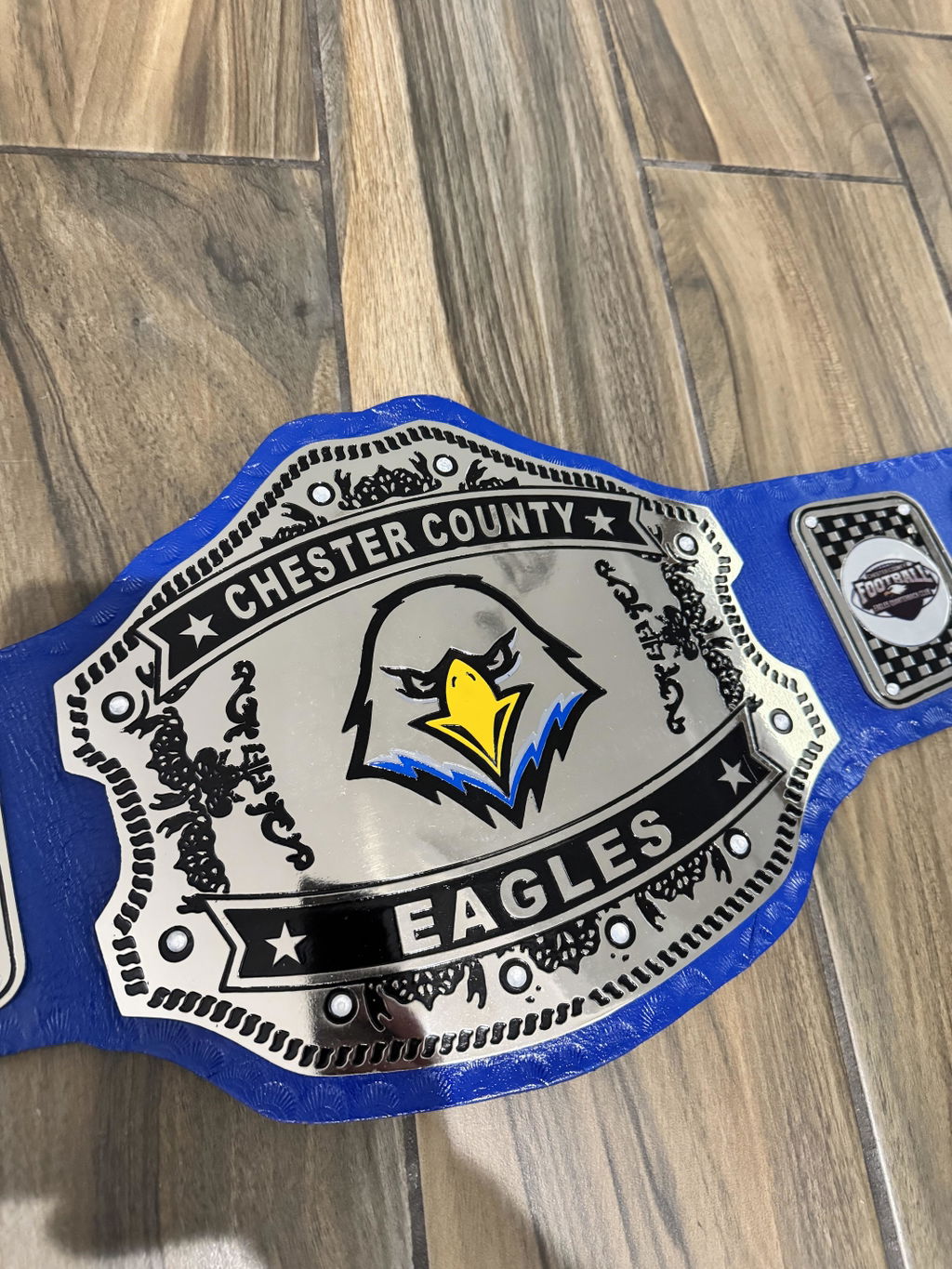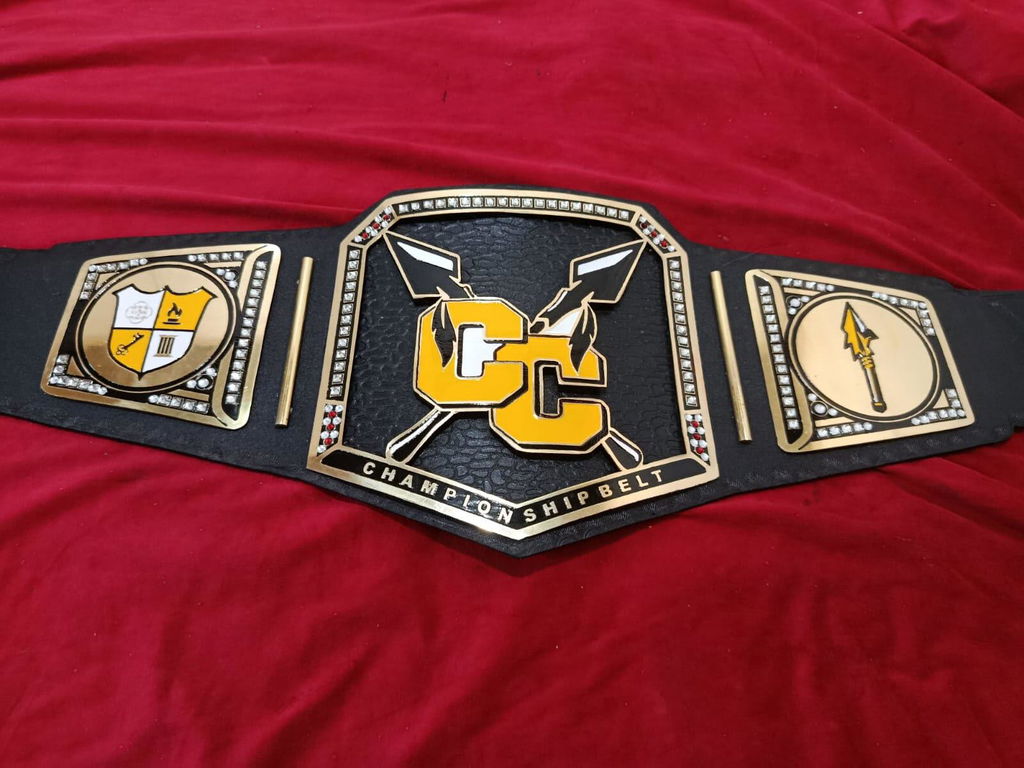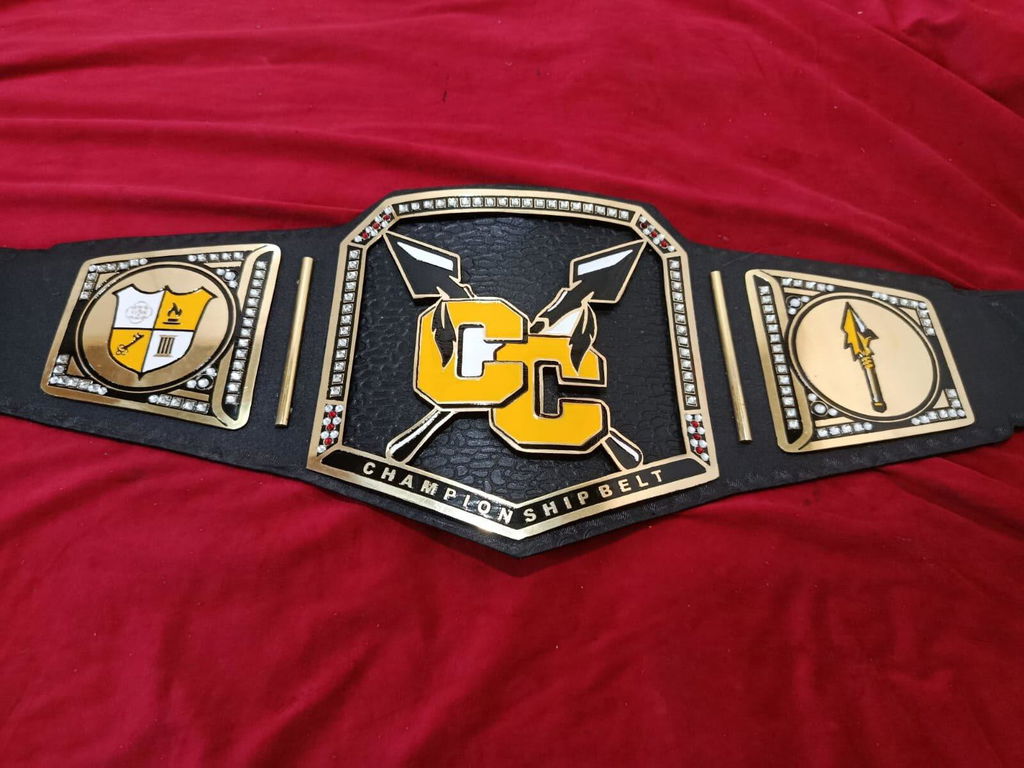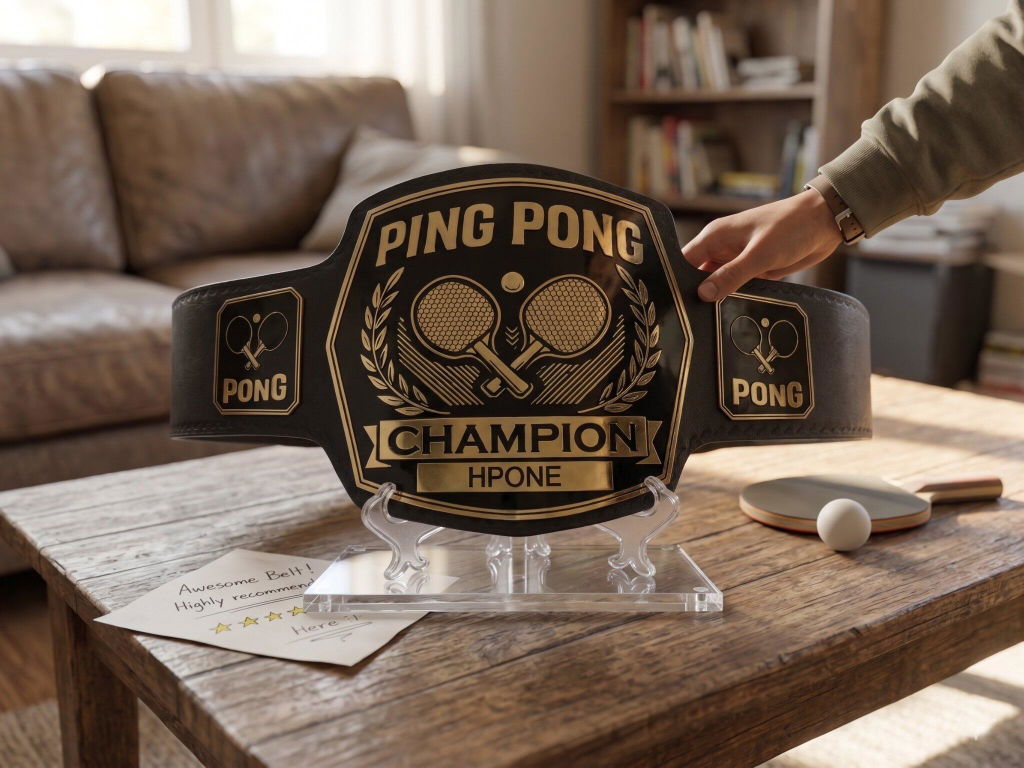


Picking the wrong belt material ruins the entire investment. Most buyers focus on design and completely ignore what the metal does over time. A brass vs zinc championship belt comparison solves that problem fast.
Brass wins on durability and long-term value while zinc wins on affordability and speed. Professional wrestling promotions have trusted brass for decades because it simply outlasts everything else.
So, before placing that order, there is one real question worth asking. Does the metal choice still matter five hundred events later?
What Each Metal Is Actually Made Of
Brass is a copper-zinc alloy that has been used in metalwork for centuries. It machines cleanly and holds fine engraving detail beautifully over time. Zinc alloy mixes zinc with aluminum, magnesium, or copper to allow fast die-casting production.
Both metals take gold and nickel plating very well at first. The real performance gap between brass championship belts and zinc alloy championship belts shows up after months of actual use, not on day one.
How Championship Belt Plates Get Manufactured
Zinc alloy uses die-casting where molten metal gets poured into precision molds quickly. This process suits bulk orders and tight event deadlines perfectly well. Brass goes through CNC machining and hand engraving instead of casting.
That slower process produces thicker plates with sharper and deeper engraving lines. Anyone comparing a customizable championship belt in both materials immediately feels the difference in hand.
Durability: Where the Real Gap Shows
Brass bends under stress rather than cracking suddenly under pressure. That natural malleability protects the belt through heavy handling and live event use. Zinc alloy is harder but far more brittle when compared to brass directly.
Chips, cracks, and surface breakdown appear faster under repeated stress over time. For a championship belt plate material passed between winners every season, brass holds up while zinc starts failing noticeably earlier.
Plating Behavior on Brass vs Zinc
Both metals look stunning fresh out of production right after plating. The real difference appears months later during consistent real-world use. Brass provides a denser bonding surface so gold plated championship belts hold their finish far longer.
Zinc develops microscopic porosity over time which causes plating to lift and peel faster. Re-plating brass is also straightforward while re-plating aged zinc becomes significantly more complicated over time.
Weight, Presence, and Live Event Impact
Brass belts are noticeably heavier than zinc ones of the exact same size. That weight creates something genuinely powerful during a live event presentation.
Lifting a heavy solid brass championship belt overhead under stage lighting communicates authenticity that lighter zinc simply cannot replicate.
Zinc works fine for gaming tournaments, fantasy leagues, and casual corporate events. For professional promotions and televised events, though, brass always creates a stronger and more believable visual impact.
Customization Options for Both Materials
Zinc alloy captures intricate die-cast designs, brand logos, and decorative stone settings very cleanly. Faster production timelines make zinc ideal for deadline-sensitive and budget-conscious bulk orders.
Brass delivers deeper engraving with sharper edge definition and a richer plated finish overall.
Both materials support full custom championship belt design work effectively for different budgets. The difference is simply how long that finished design stays sharp under actual use conditions over time.
Collector Value and Long-Term Investment
Serious collectors consistently prefer premium brass championship belts over zinc for one very clear reason. Brass ages gracefully, restores easily, and retains structural integrity for decades of display.
Replica championship belt buyers chasing museum-quality craftsmanship always land on brass without hesitation.
Zinc serves casual collectors and first-time buyers very well at more accessible price points. Long-term collector value and resale appeal, however, consistently favor brass over zinc alloy every time.
Which Material Fits Which Situation
Matching the material to the actual use case matters far more than price alone. For professional promotions, multi-season leagues, live events, serious collectors, and high-end replica titles, brass is the clear answer.
For fantasy football leagues, esports championships, corporate awards, youth sports, and one-season promotional belts, zinc alloy delivers real value without overspending.
Neither material is universally better than the other in every scenario. Purpose drives the right decision every single time without exception.
Care and Maintenance for Both Belt Types
Brass needs occasional polishing and dry storage away from excess humidity. Surface degradation on brass is fully reversible through straightforward re-polishing and re-plating.
Zinc requires gentler handling to avoid cracking that comes from its natural brittleness over time. Storing zinc alloy wrestling belts away from heat and moisture extends their lifespan considerably.
One quick identification trick worth knowing is that brass is non-magnetic while zinc alloy typically reacts to a magnet.
Conclusion
The brass vs zinc championship belt answer depends entirely on purpose and timeline from the start. Zinc delivers strong visual results fast at a lower and more accessible cost.
Brass delivers durability, authenticity, and long-term performance that zinc simply cannot match under sustained conditions.
Match the material to the actual use and the belt works exactly as it should, whether it sits on a wall or gets passed between champions for years.