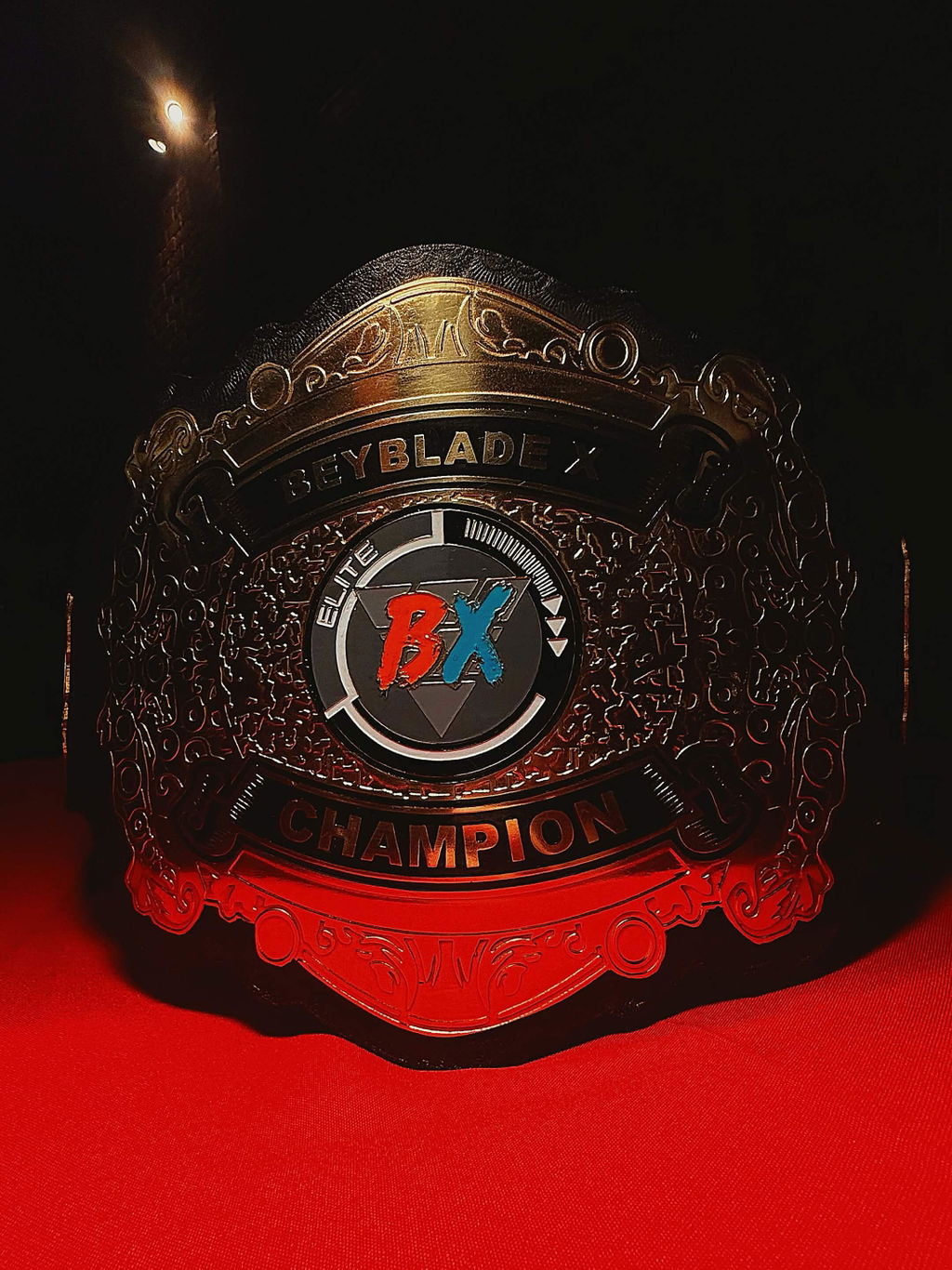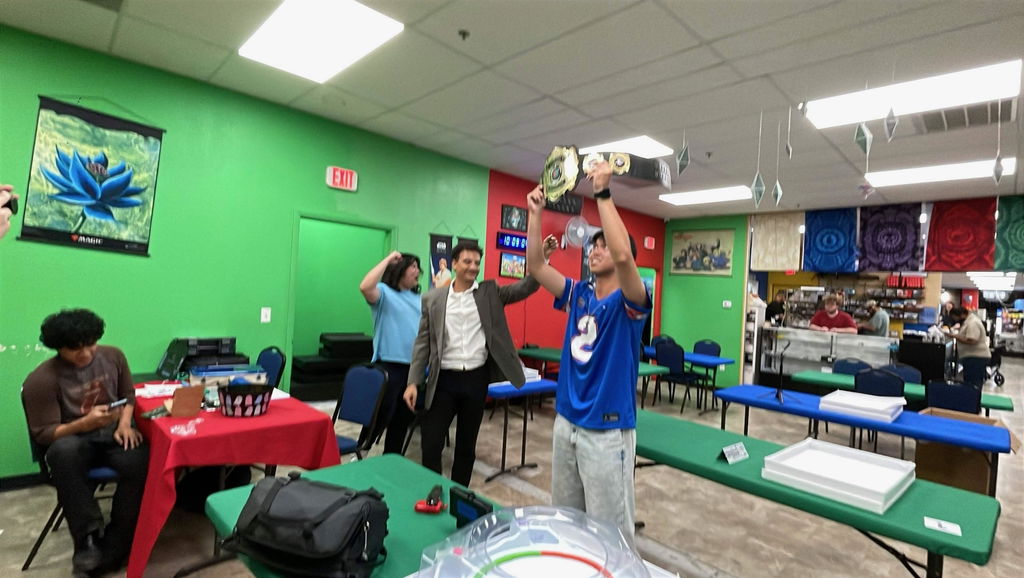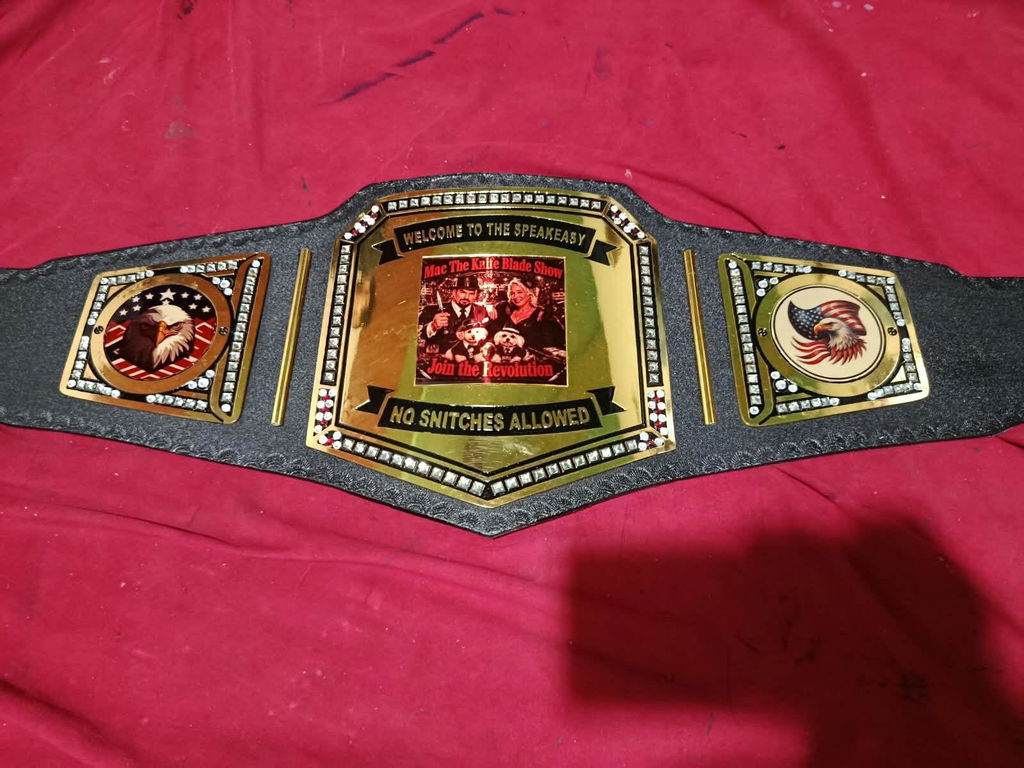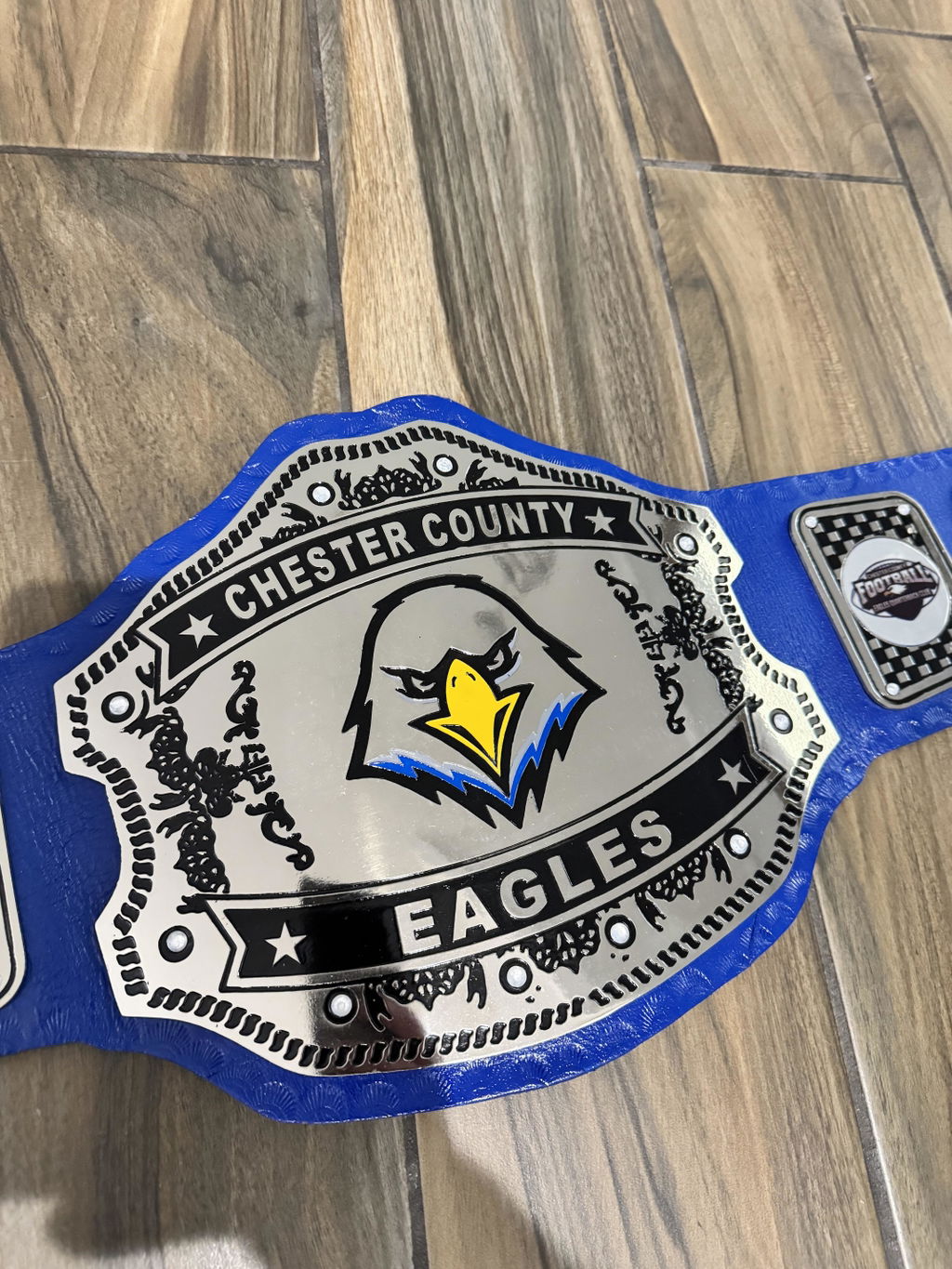


Championship belts are not just for pro wrestlers anymore. Fans buy them for their collections, fantasy football leagues hand them to the season winner, gyms award them to top lifters, and companies use them to celebrate their best sales reps. A belt simply says champion in a way a plaque never will.
If you are buying your first one, though, the choices can feel overwhelming. You will need to decide on the belt type, materials, size, design and budget. This championship belt buying guide breaks each decision down in plain language, so you get a belt you love without spending more than you need to.
What Type of Championship Belt Should You Buy?
The first step in learning how to buy a championship belt is knowing why you want one. Your purpose points you toward one of three main types.
Replica Championship Belts
Replica belts reproduce famous title designs that fans recognize from TV. They are popular with wrestling fans who want a piece of nostalgia on the wall. If you’re buying one, check whether it is officially licensed, because not every replica is.
Custom Championship Belts
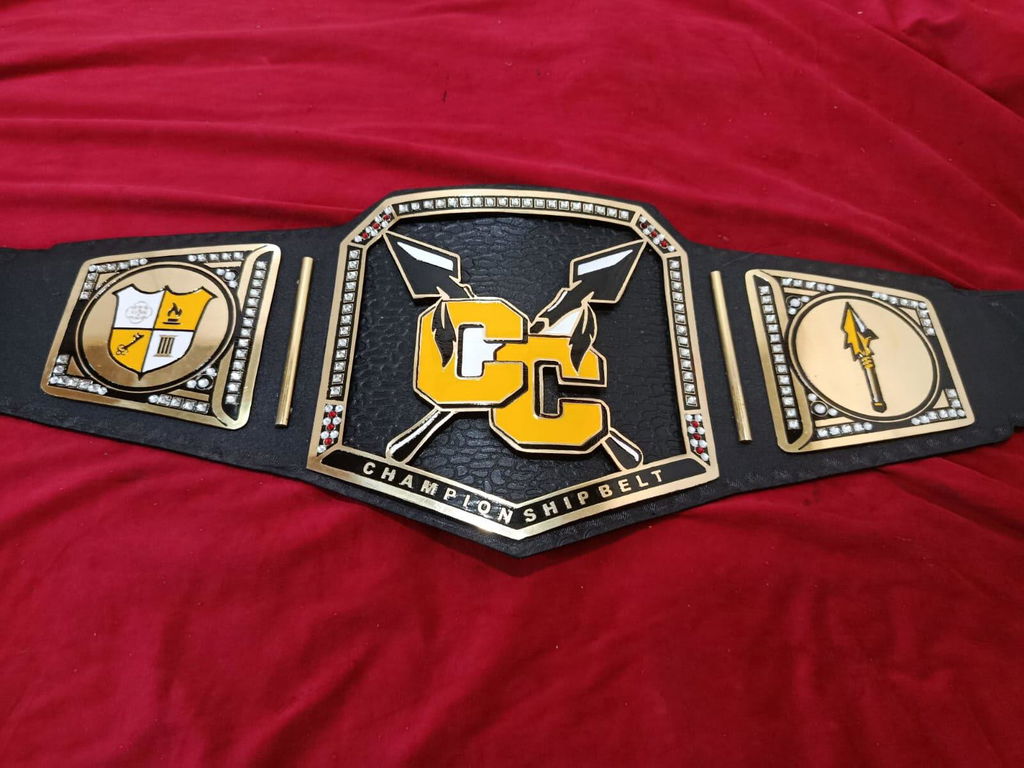
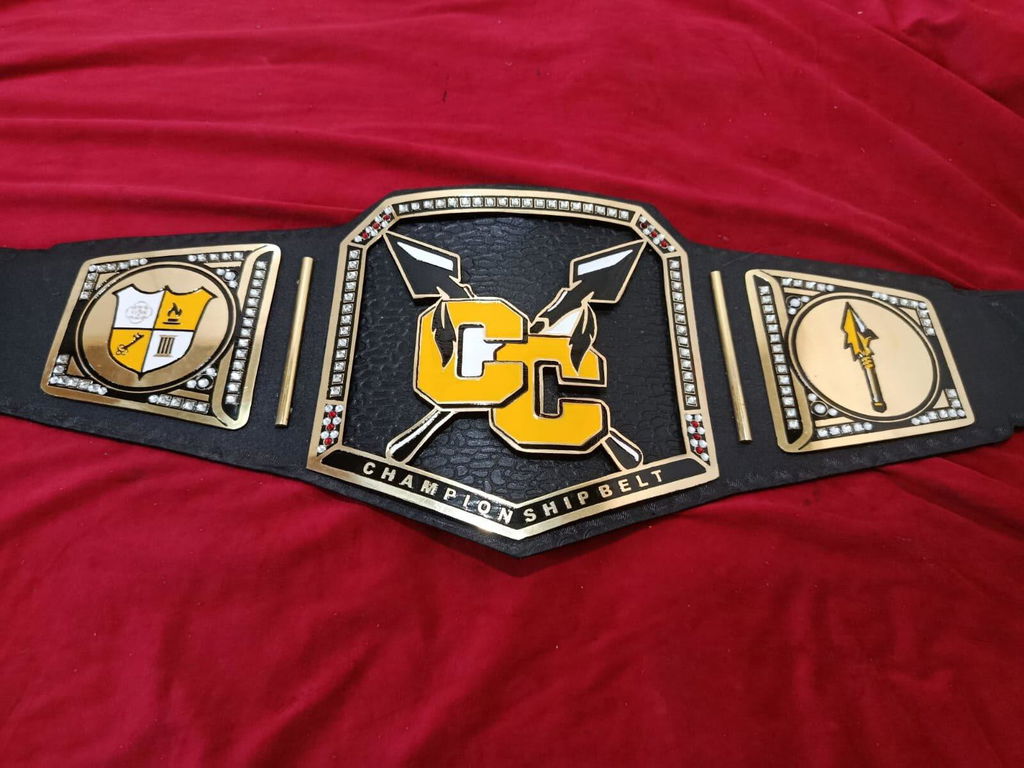
Custom championship belts are built around your own details: names, logos, team colors, dates or event titles. They suit anyone who wants a one-of-a-kind belt rather than a copy of someone else.
Championship Belts for Sports, Events, and Awards
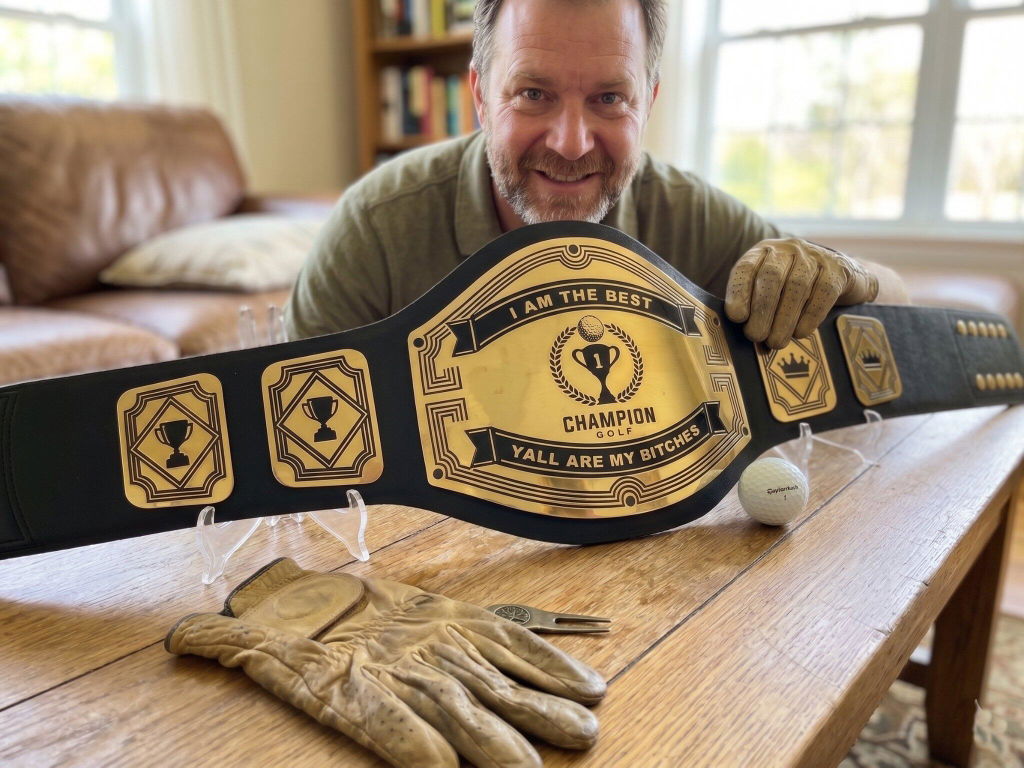
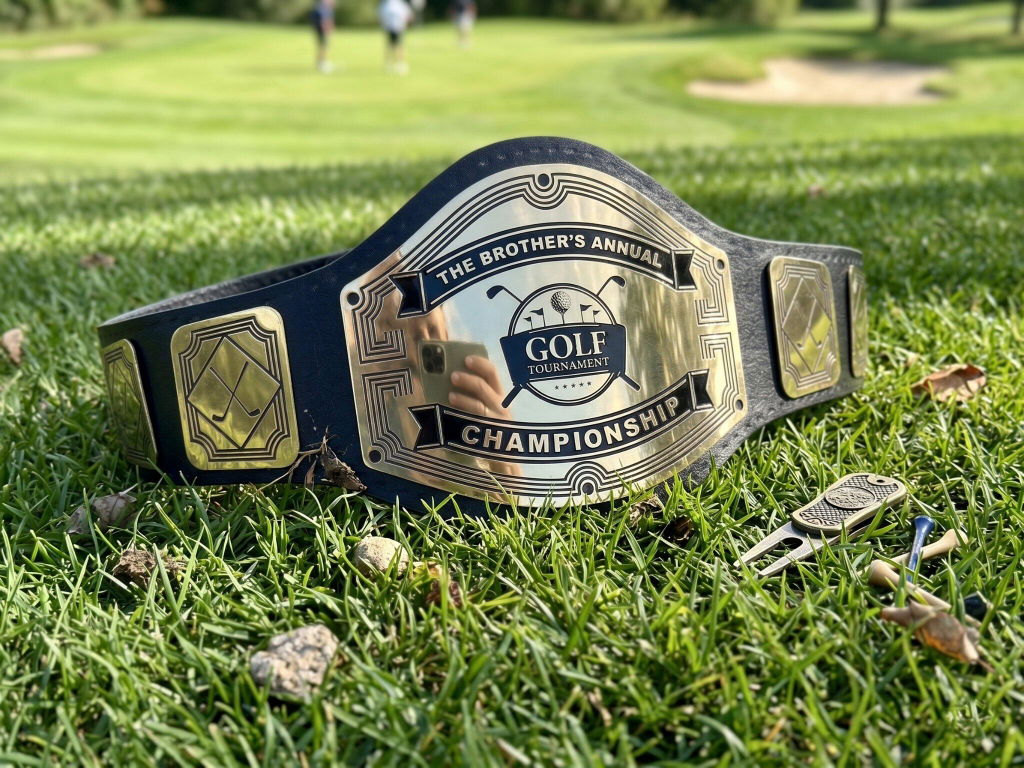
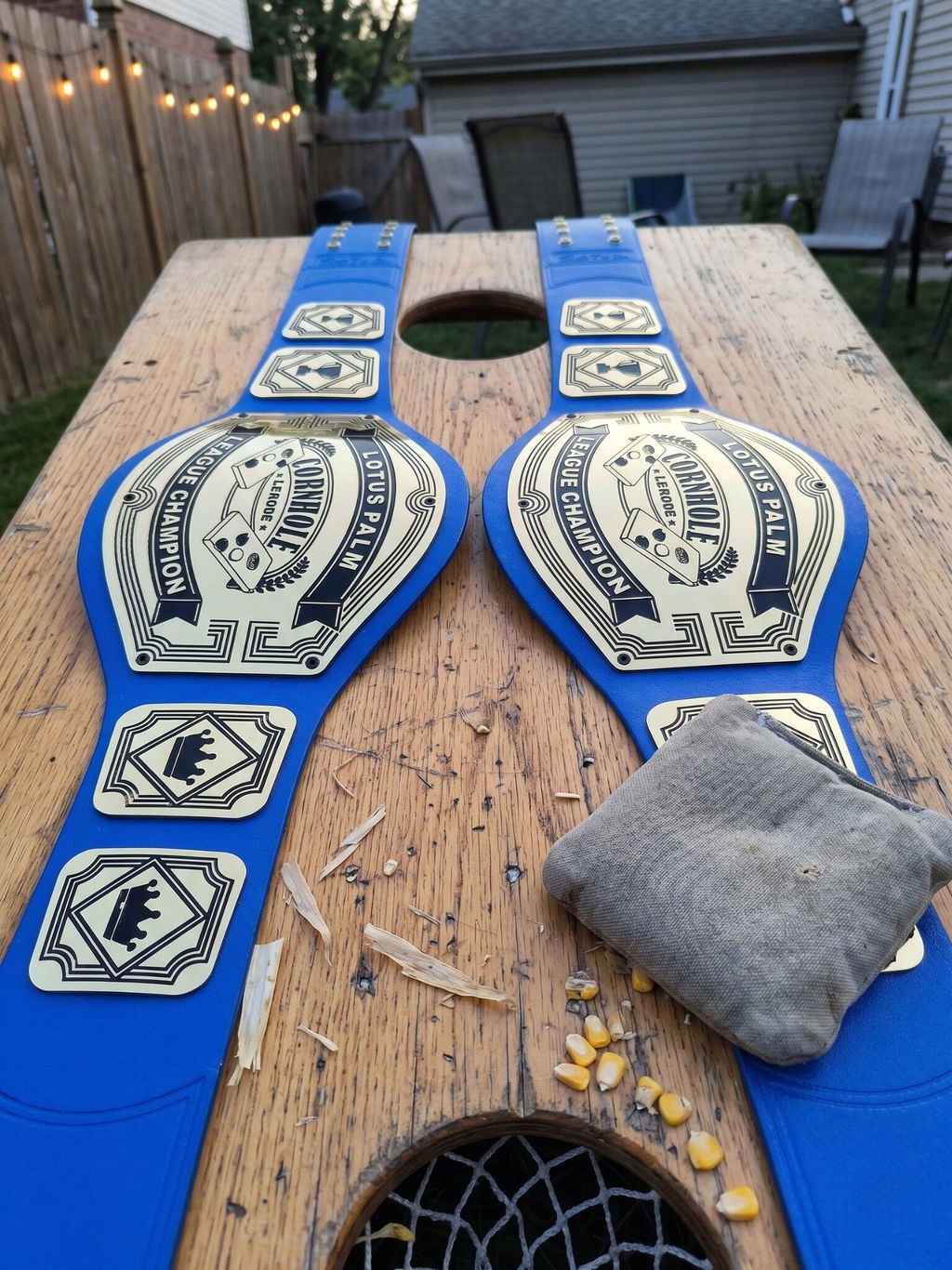
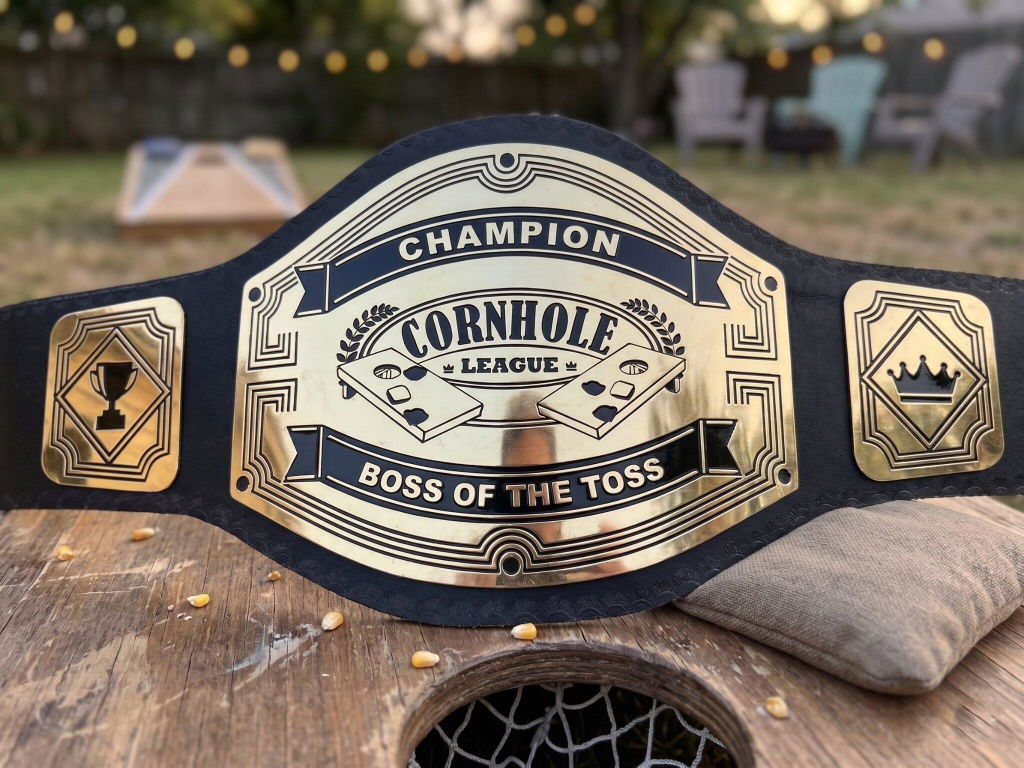
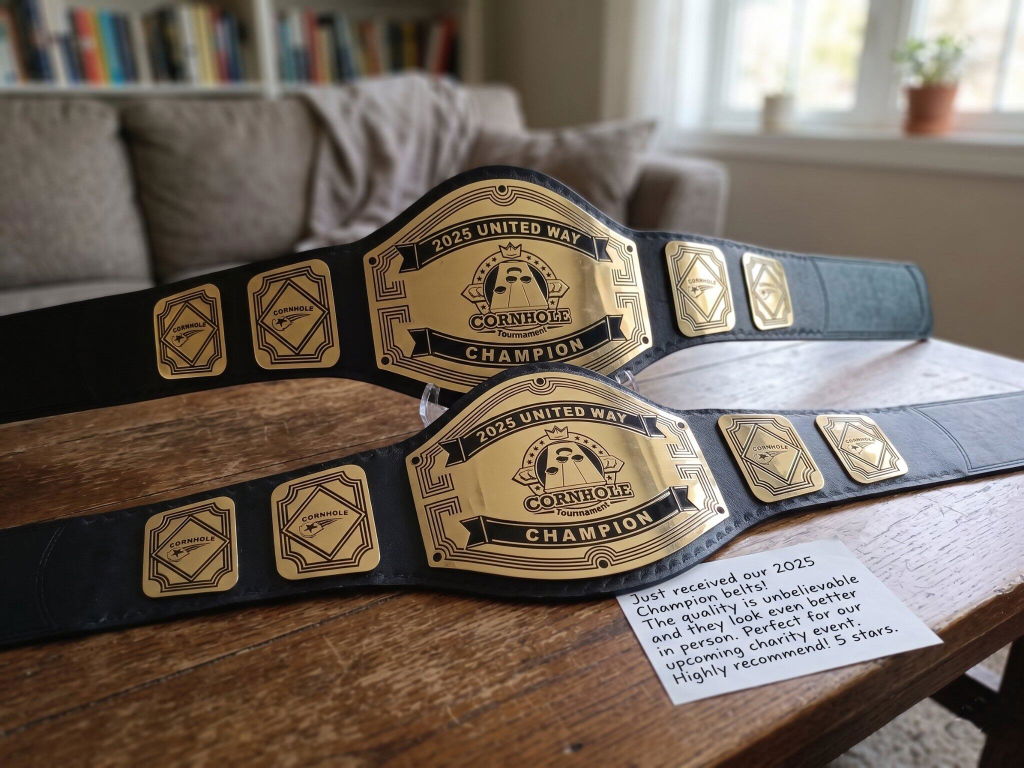
Many first-time buyers are not wrestling fans at all. They need a trophy with personality. Belts work well for fantasy sports leagues, gym challenges, golf and cornhole tournaments, office competitions, and occasions like graduations or Fathers Day.
Which Materials Make a Good Championship Belt?
Championship belt materials affect almost everything: how the belt looks, how heavy it feels, how long it lasts and what it costs. Here is what to know about the plates and the strap.
Zinc Alloy vs. Brass Plates
Brass and zinc are the two most common plate metals, and both make good belts. Brass has a warm tone and a classic look. Zinc alloy is cast in molds, which makes it great for raised, detailed and 3D designs, especially at greater thicknesses.
Plate thickness matters just as much as the metal. A 4mm or 8mm plate allows deeper detail and feels more substantial than a 2mm plate. Two belts can look identical in photos and feel completely different in hand, so always check the listed specifications rather than judging by appearance.
Gold, Silver, and Dual-Tone Finishes
Gold finishes give the traditional champion look, silver feels modern, and dual-tone mixes both for contrast. Know the difference between a colored finish and real metal plating. A gold-colored coating gives the look, while genuine gold plating, such as 24KT, adds richer shine and usually a higher price.
Genuine Leather vs. Synthetic Leather Straps
Genuine leather is durable, ages well and has a premium feel, but costs more and needs occasional conditioning. Synthetic leather is lighter, cheaper and easy to wipe clean, though it may not last as long. Quality varies widely within both types, so read product details carefully.
How to Choose the Right Championship Belt Size
A quick championship belt size guide starts with one question: will the belt be worn, or only displayed?
If it is worn, measure around your waist or hips where the belt will sit, then compare that with the strap length and adjustment range in the listing. Also check the center plate dimensions, since large plates look impressive but need a strap long enough to wrap comfortably. Some sellers offer youth or mini belts for kids and desk displays.
For collectors, think about space. Full-size metal plate belts usually weigh 5 to 7 pounds and need a sturdy wall mount or a shelf deep enough to hold them.
What Should You Look for in Championship Belt Quality?
High-quality championship belts show their craftsmanship in the details. Before ordering, check:
-
Plate thickness and construction: solid metal, with the thickness clearly listed
-
Engraving depth: crisp, deep detail rather than shallow or blurry lines
-
Plating and finish: even color with no patchy spots
-
Stitching and hardware: neat seams and strong snaps or fasteners
-
Photos and specifications: real product photos and clearly stated materials
A heavier belt or a higher price does not automatically mean better quality. Weight can come from thick but poorly finished plates, and price can reflect branding instead of build. The specifications tell you more than the price tag.
How Much Does a Championship Belt Cost?
Championship belt prices depend on plate material, thickness, size, the number of plates, engraving detail, finish and customization.
For a real example, custom belts at Customize Wrestling Belt start from $149.99, with many popular designs at $169.99 and higher prices for premium plate upgrades. Explore our custom wrestling championship belt to compare available materials and finishes.
Also budget for extras: shipping (free within the USA with us), taxes, custom artwork fees from some sellers, and display accessories like mounts or cases. Compare what is included, not just the headline price.
How to Choose the Best Championship Belt Design
Design is where your belt gets its personality. Three steps keep the process simple.
Pick a Style That Matches Your Purpose
Classic wrestling-inspired designs, with big center plates and ornate detail, suit fans and leagues. Modern styles feel cleaner and logo-focused. Sports and corporate belts often feature team colors, company logos or themed artwork such as footballs, golf flags or trophies.
Choose Your Colors, Logos, and Side Plates
Strap color, plate finish and side plate artwork make a belt meaningful. Adding a winner’s name, league logo or season year turns a nice trophy into a keepsake people actually treasure.
Review the Design Before Production
Always ask for a digital mockup and check it carefully. Look at spelling, dates, colors, logo placement and layout. Fixing a typo on a mockup takes minutes, while fixing it on a finished metal plate is not possible.
If you want a belt that reflects your team, league, or personal achievement, explore our personalized championship belts to see how you can incorporate your own text, logo, and design preferences.
How to Care for Your Championship Belt
A little care keeps your belt looking like new for years.
Clean the Plates Without Damaging the Finish
Wipe plates with a soft, dry microfiber cloth. Avoid abrasive polishes and harsh chemicals, which can strip plating or dull colored areas.
Maintain the Strap Properly
Genuine leather benefits from conditioner once or twice a year. Synthetic leather only needs a wipe with a damp cloth.
Store and Display Your Belt Safely
Use a wall mount or display case, away from moisture and direct sunlight. When storing, lay the belt flat or loosely curved, never tightly folded.
FAQs
How much should I spend on my first championship belt?
Many quality custom belts start from around $150. Spend more only if you want upgrades like thicker plates or 24KT gold.
Are championship belts made from real metal?
Quality belts use real metal plates, usually brass or zinc alloy. Always confirm this in the product specifications.
Which is better, zinc or brass championship belt plates?
Both are good. Brass offers a classic warm look, while zinc suits detailed, thicker cast designs.
How long does it take to make a custom championship belt?
It varies by seller. At Customize Wrestling Belt, production takes 2–3 days after you approve the design, plus shipping time.
Can I design my own championship belt?
Yes. Share your idea, logo or sketch, and a designer can turn it into a mockup for your approval.
Conclusion
Buying your first championship belt does not have to be complicated. Start with the purpose: is it a collectors piece, a league trophy, a gym award or a gift? Once you know that, the other choices get easier.
Pick materials that match how the belt will be used. Solid brass or zinc plates and a well-made strap will last far longer than a cheap lookalike. Check the size before you order, especially if the belt will be worn. Then choose a design that feels personal, whether that is a classic wrestling style, your team colors or your company logo.